





Edinburgh Fringe 2026
The Last Audition
Paul Shearman
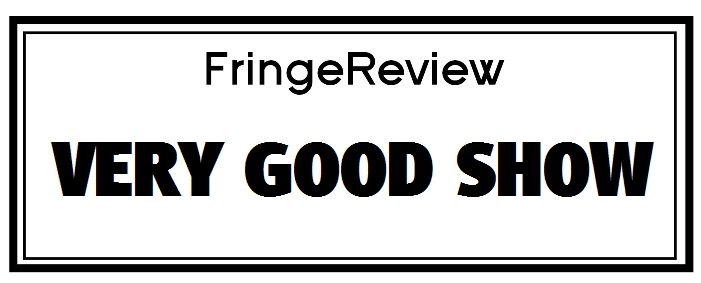
Genre: Classical and Shakespeare, Contemporary, Drama, New Writing, One Person Show, Solo Performance, Solo Play, Solo Show
Venue: TheSpace on the Mile
Festival: Edinburgh Fringe
Low Down
Paul Shearman gives a tender, heartbreaking and vulnerable performance as an ageing actor battling with dementia as he prepares to audition for a role as King Lear.
Review
Paul Shearman’s The Last Audition has toured around the world to audiences before landing at the Edinburgh Fringe, and no doubt, it is clear Shearman brings a wealth of experience to his role as an ageing actor grappling with dementia. His Willy Loman-esque Actor is bumbling and endearing, trembling with palpable excitement that raises dread in us. We know the conceit of the play, and we can see he is too far gone to achieve his goal. The moments where he loses himself to confusion are almost too much to bear, too real for anyone who has seen a similar expression on a loved one’s face.
Monologuing can sometimes feel unnatural, but the set-up makes it easy to suspend disbelief as we have all been subject to a passionate ramble from an older person with stories to tell about the good old days. Shearman keeps pace while allowing for pauses to breathe, just as the Actor informs us they should in any good monologue. He is constantly searching the audience for validation as he recites line after line of verse, waiting for an answer that never comes to the heartbreaking question always on his lips: am I good enough, and was it all worthwhile?
It is not all doom and gloom, however. A ray of hope shines through in the form of Actor’s daughter, his Cordelia (Emily), who reminds us of the importance of support for those battling dementia.
Sometimes, however, some things are said that could be easily left inferred. The intrusion of disembodied voices and stilted voicemails were unwelcome, and I feel could have been removed altogether or delivered in some other way by Shearman. I also struggled to wrap my head around the role of the audience and would have either preferred a more ‘Shakespearean’ approach to soliloquy or been his more intentionally imaginary audience. The ending could also have landed with a greater punch, as I felt the tension so skilfully built up by Shearman never reached its crescendo. I would have enjoyed learning more about Shearman’s wife and daughter, and how these relationships have shaped his life and given it meaning in parallel to his craft.
This is a skilfully delivered soliloquy from an actor who understands his craft as well as his character.